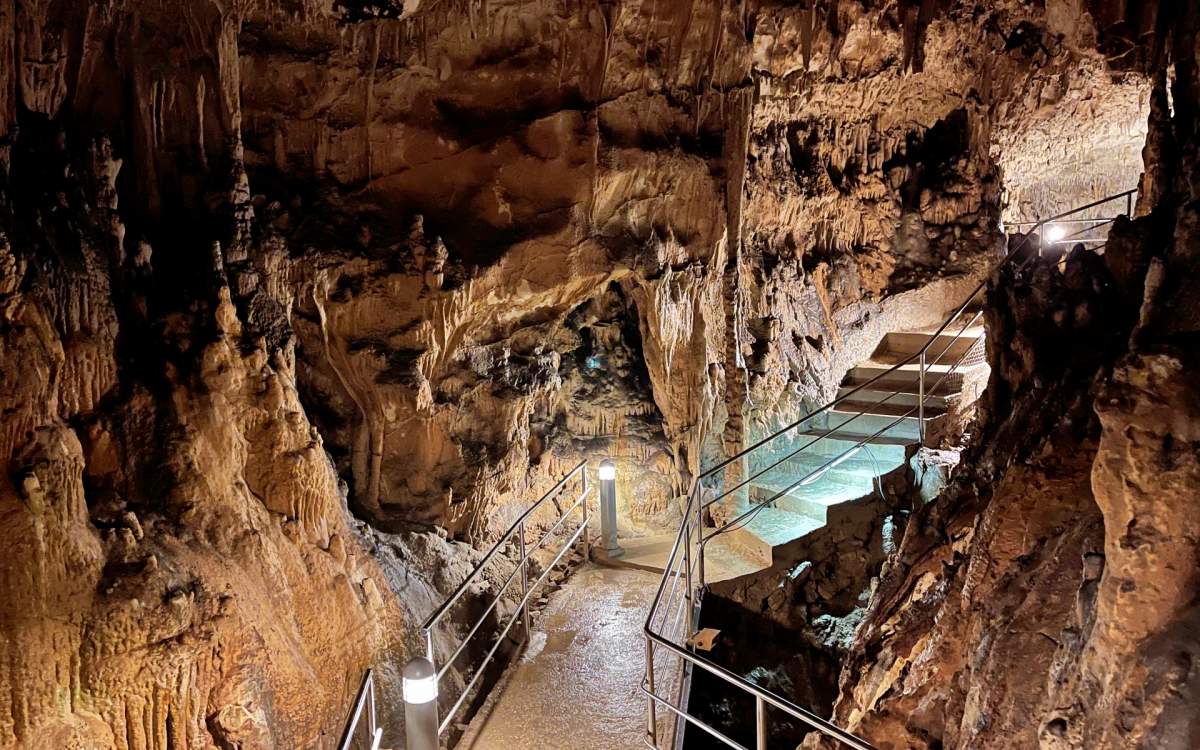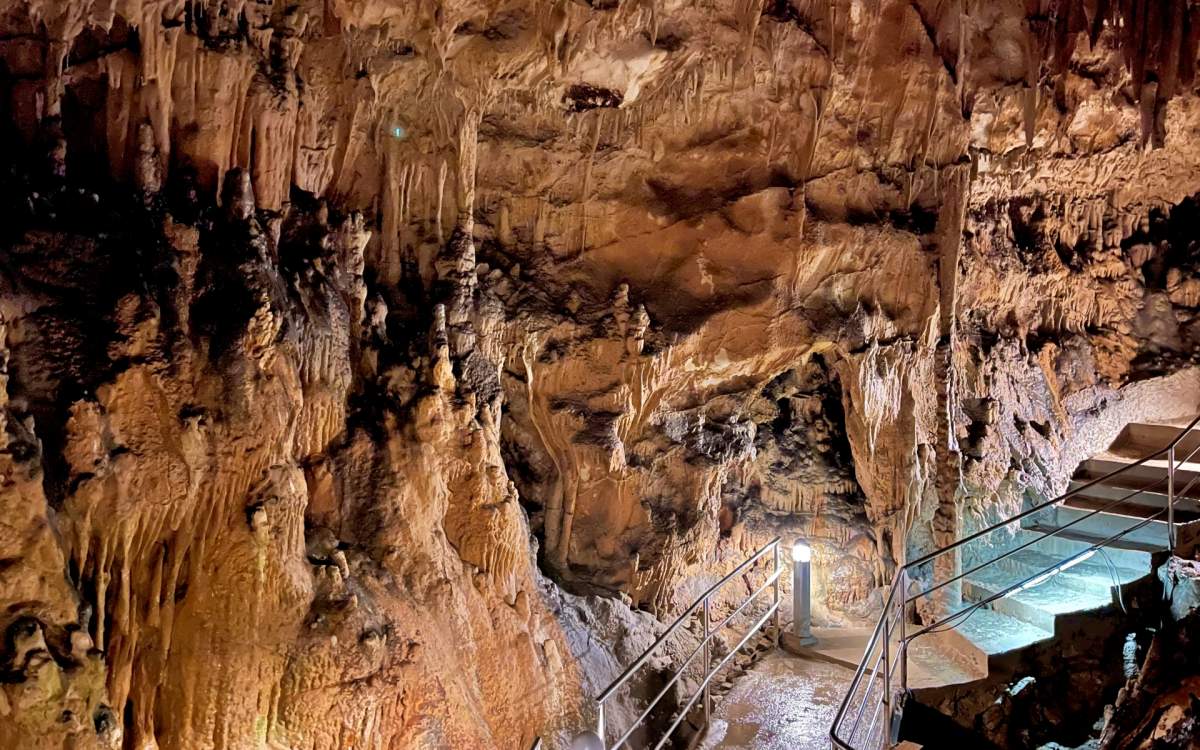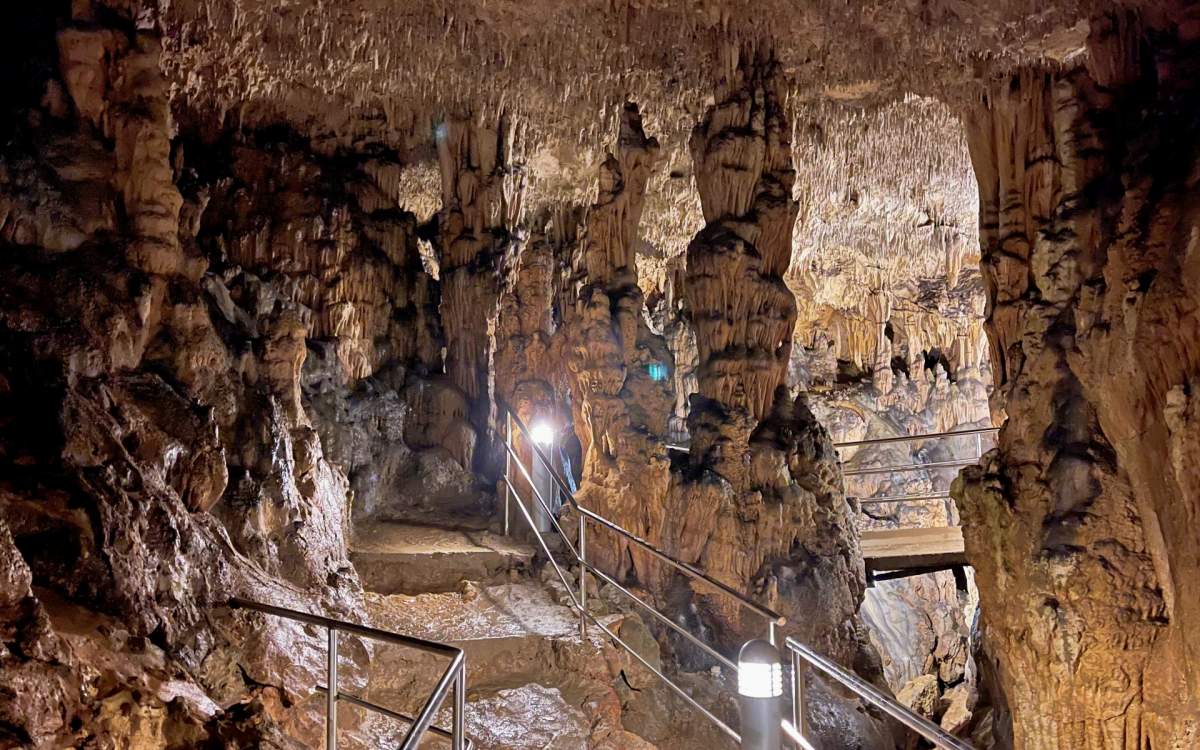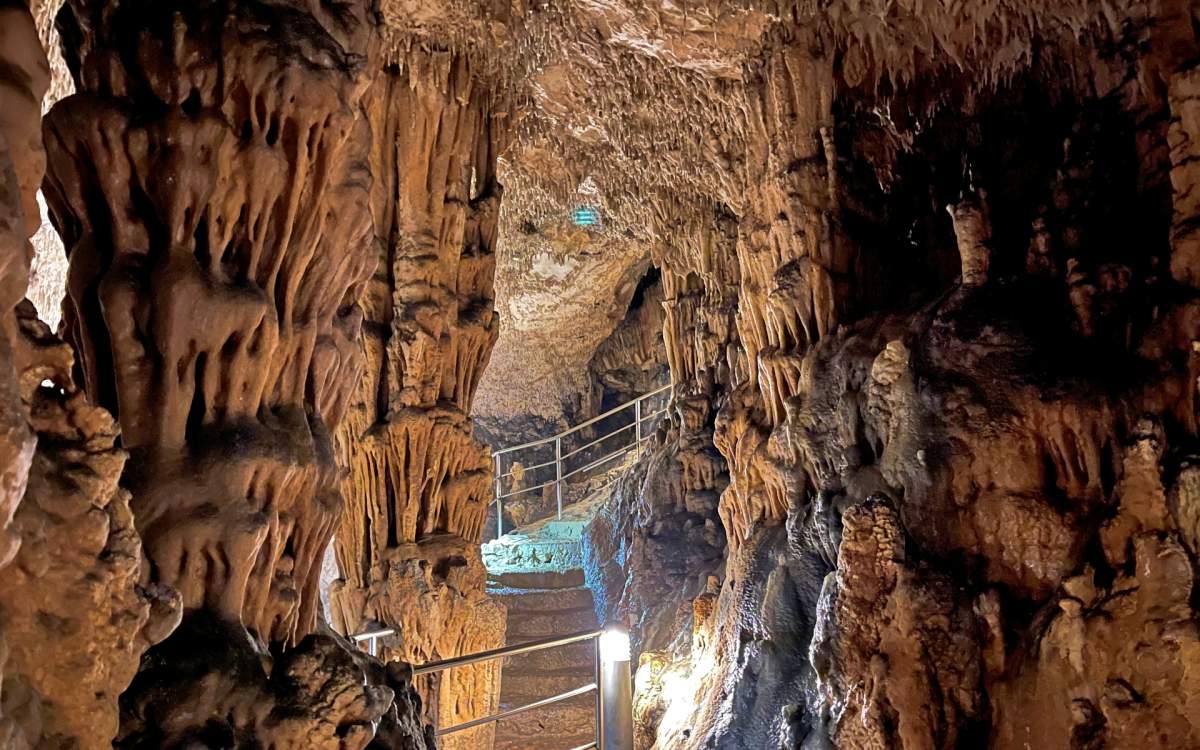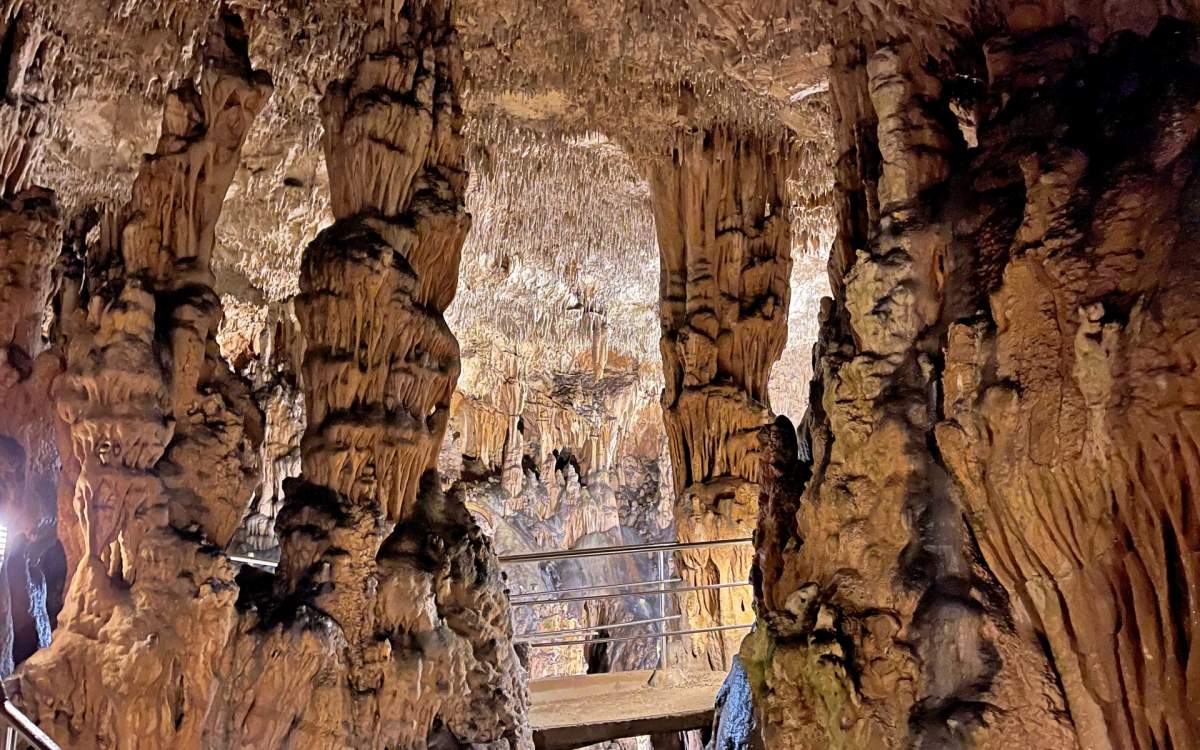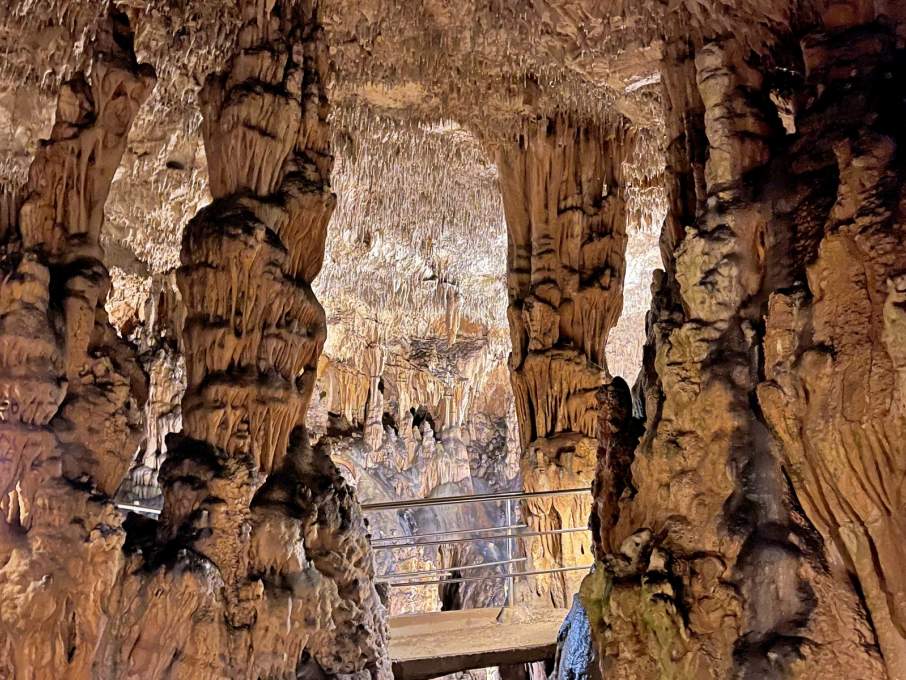
Just a few kilometers from Šilo, near the village of Rudine, lies one of the most fascinating natural attractions on the island of Krk – the Cave Biserujka. Surrounded by legend and shaped by thousands of years of natural processes, this underground beauty is truly a jewel of the island of Krk.
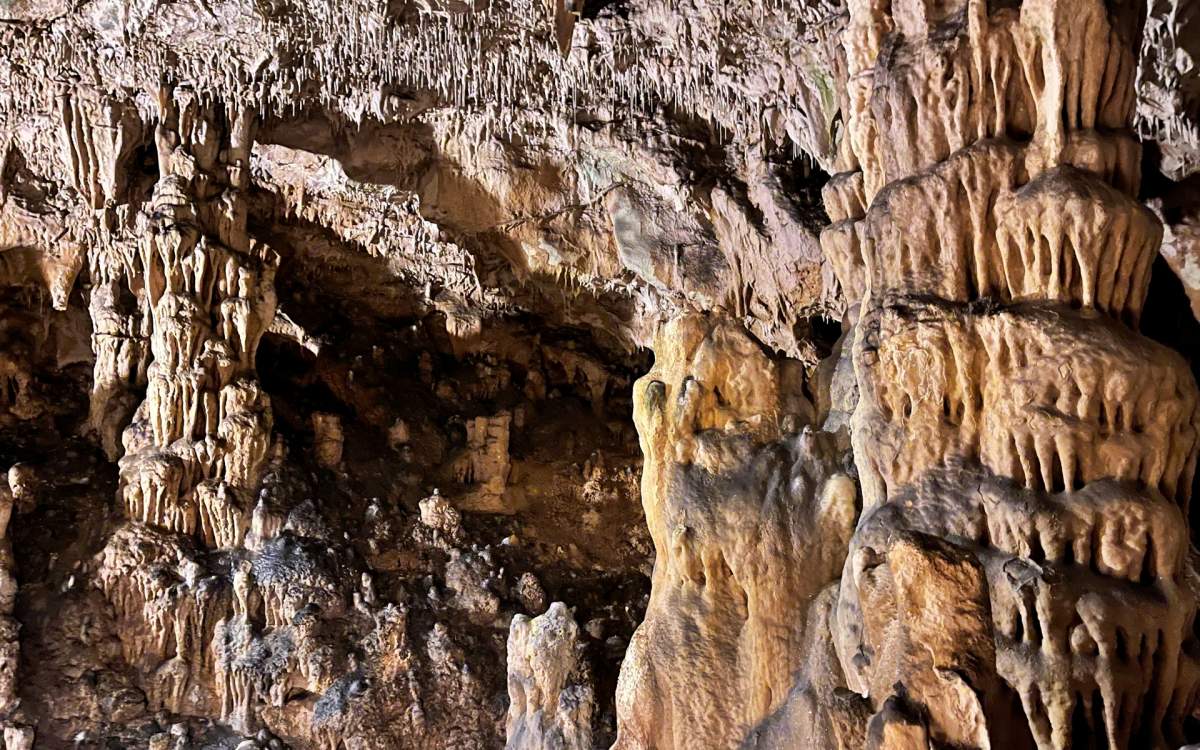
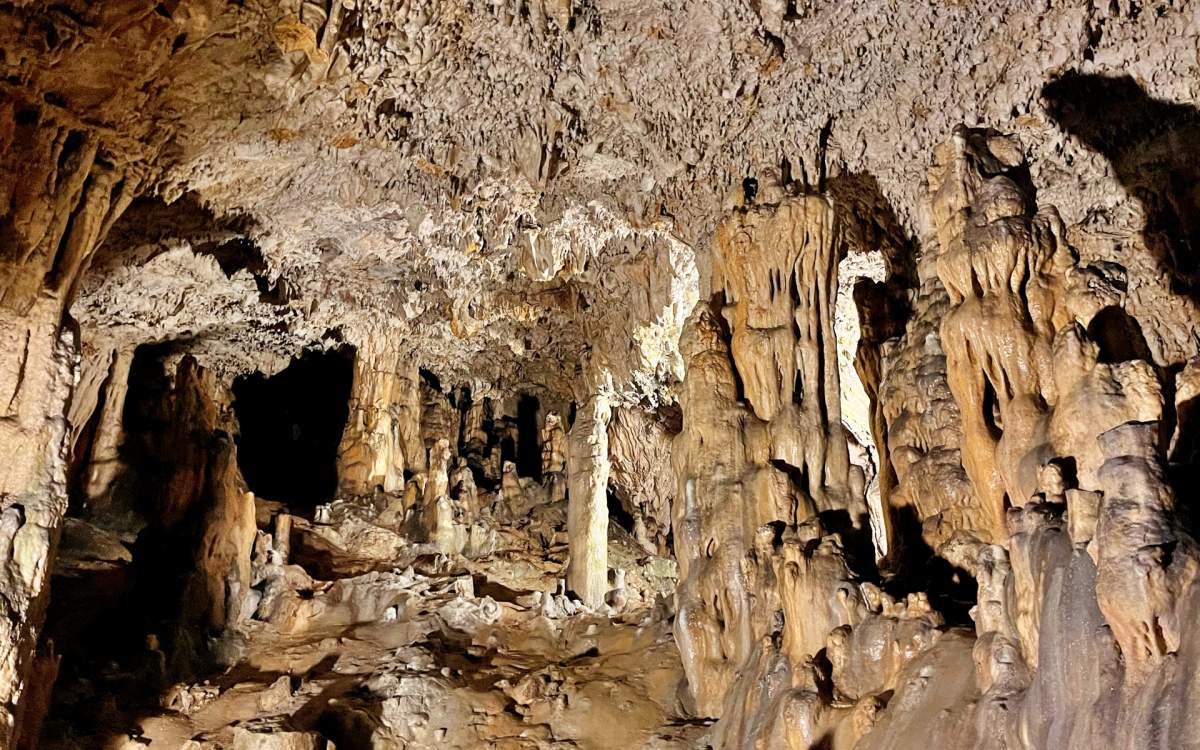
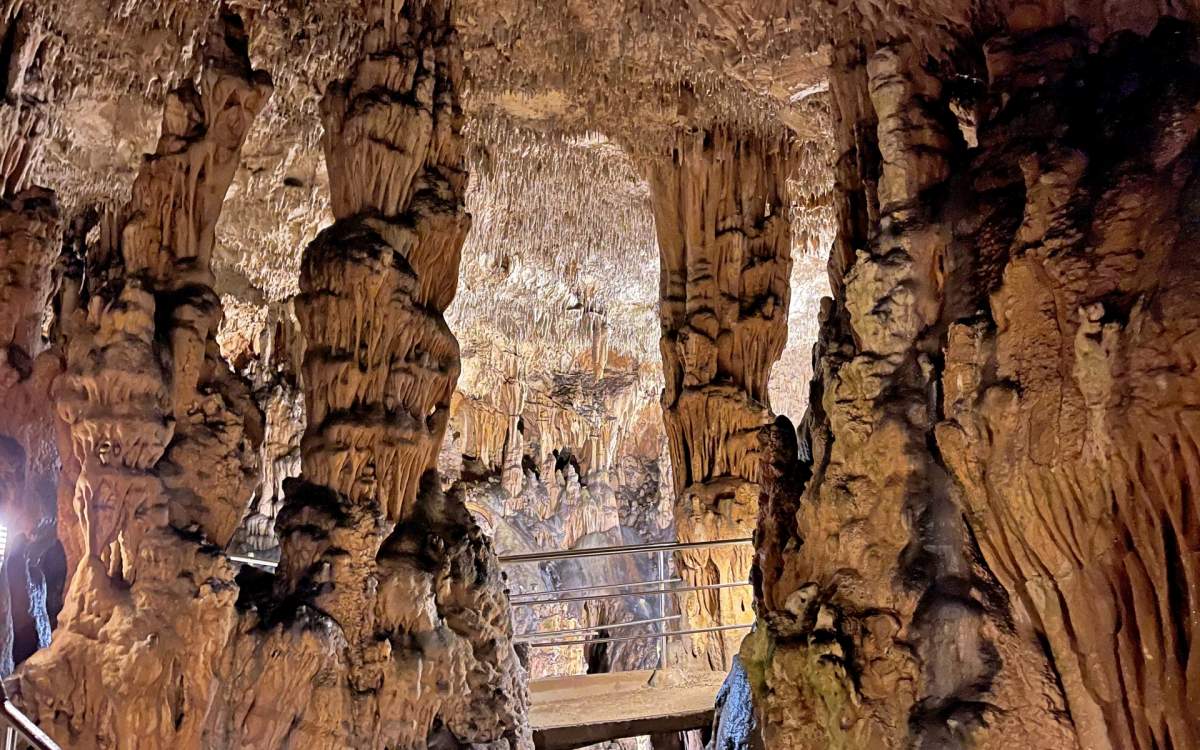
Discover breathtaking stalactites, stalagmites, and limestone formations that shimmer softly under the cave lights. Though modest in size, Biserujka captivates visitors with its magical atmosphere and natural charm.
The cave is easy to access and safe to explore, maintaining a pleasant year-round temperature of around 15°C – making it the perfect destination even on the hottest summer days.
The cave is located 300 meters north-northwest of the settlement of Rudine in the municipality of Dobrinj on the island of Krk. It has been developed for tourist visits and is distinguished by a wealth of cave decorations — calcite formations, particularly columns and stalactites. According to speleological classification, it is a simple cave with a cave entrance and a slightly inclined passage. The cave consists of several underground chambers: Entrance Area, Balcony, Shaft, Large Hall, Northern Channel, Hall with Bridges, and the Cimpresna Hall.
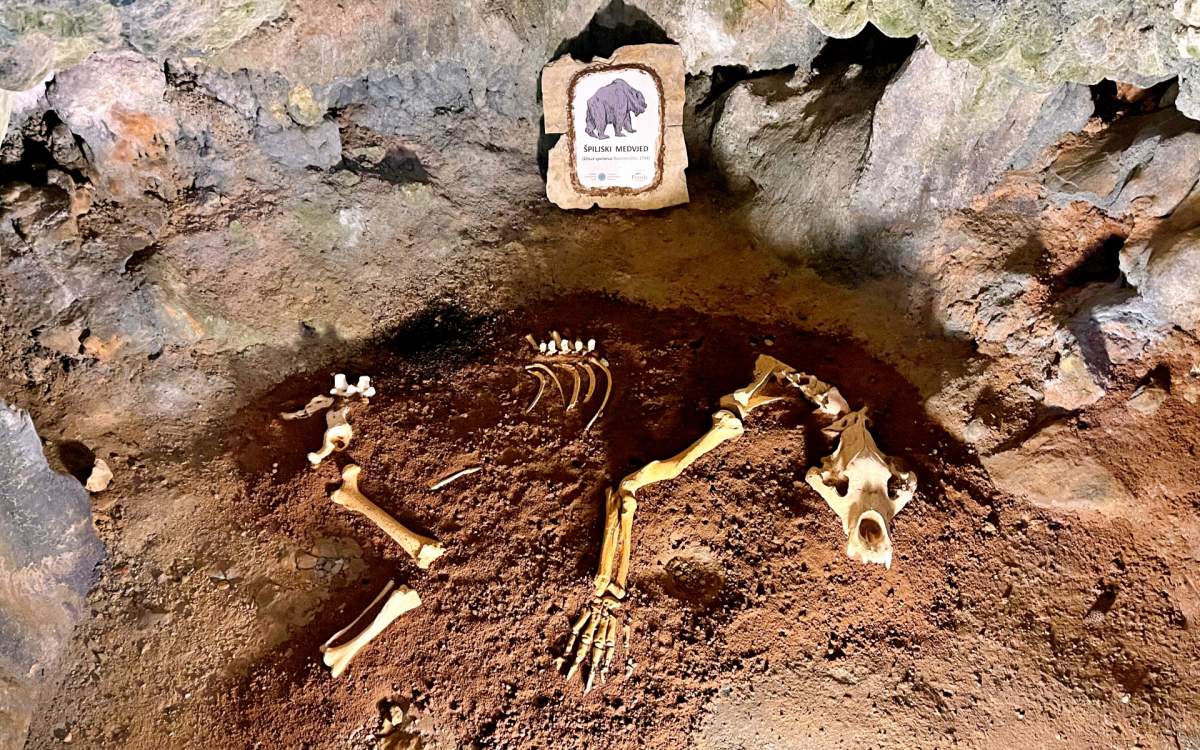
Biserujka Cave is also known as Vitezić Cave. The lowest point of the cave is at -13 meters, while the cave floor lies only 30 meters above sea level. The cave is 110 meters long, relatively shallow below the surface, with its overlying layer nowhere exceeding 6 to 8 meters. Remains of a cave bear (Ursus spelaeus) have been discovered inside the cave.
In the deeper sections of the cave, variations in microclimatic parameters are minimal. The floor and air temperature is around 15°C, with a relative humidity of about 95%, making visits comfortable.
The cave’s endemic fauna is highly significant. Six stenoendemic species inhabit the cave, narrow endemics of the Kvarner region. Three invertebrate species were first described from Biserujka Cave, making it a type locality (locus typicus). In 2009, an unknown species of pseudoscorpion of the genus Roncus was discovered in the cave. For this reason, the cave has been included in the National Ecological Network, aimed at preserving endemic species and habitat types — specifically “karst caves and pits.”
You can find information about tickets on the website of Biserujka Cave: www.spilja-biserujka.com.hr